
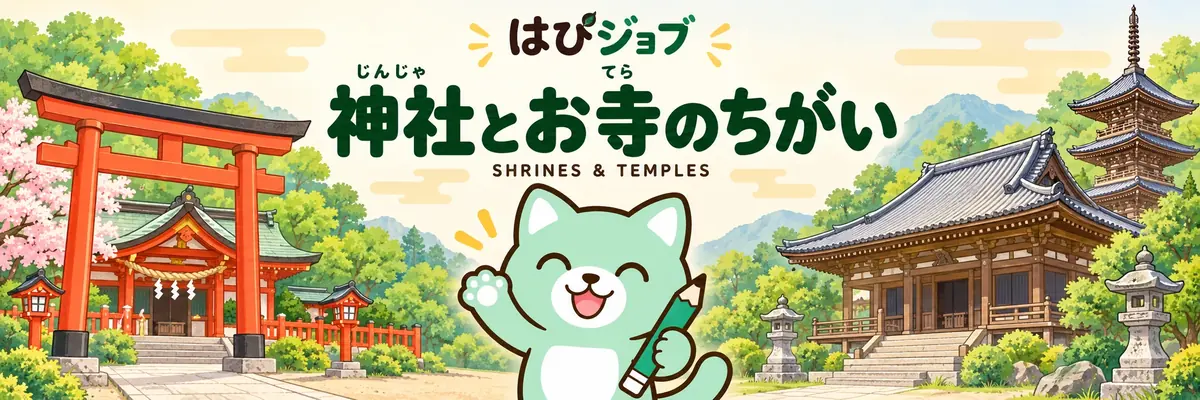
Shrines & temples in Japan
They may look similar, but Shinto shrines and Buddhist temples belong to different religious traditions. Learn how to recognize them and visit respectfully.
The main differences
| Compare | Shinto shrine | Buddhist temple |
|---|---|---|
| Tradition | Shinto | Buddhism |
| Useful clues | Torii gates; sacred shimenawa ropes | Sanmon gates; Buddhist statues; pagodas |
| Prayer | Common practice: bow twice → clap twice → pray → bow once | Put your palms together quietly. Do not clap. |
| Names to look for | Often Jinja, Jingu or Taisha | Often -ji, -dera or -in |
| People who serve there | Shinto priests | Buddhist clergy |
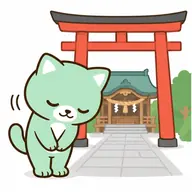
Shinto shrine
A Shinto place of worship. Shinto is Japan’s indigenous religious tradition. Shrines honor kami, sacred beings associated with nature, places and more. A torii gate is a useful clue.
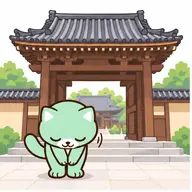
Buddhist temple
A Buddhist place of worship. Buddhism is based on the Buddha’s teachings. You may see a sanmon gate, Buddhist statues or a pagoda.
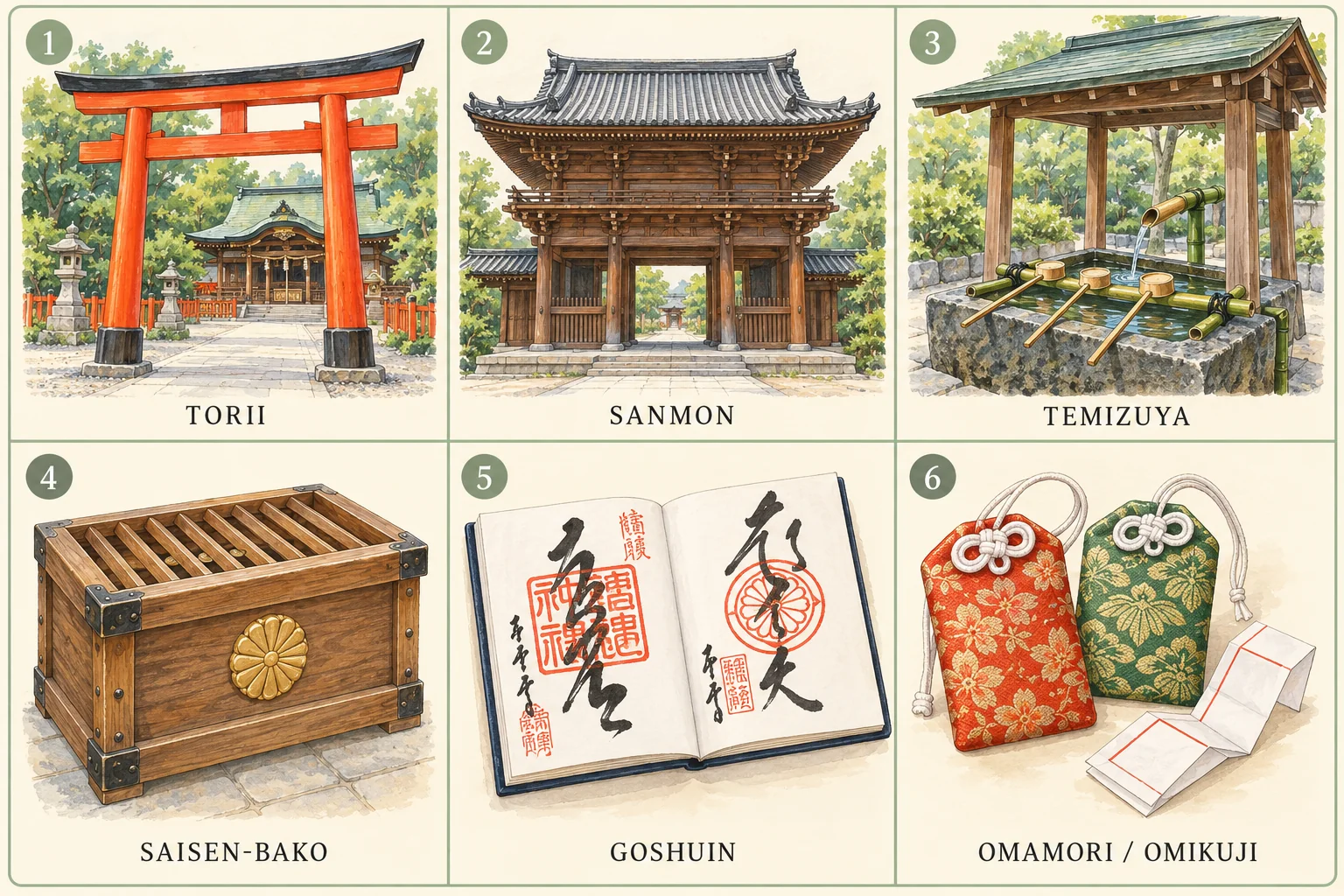
These are clues, not absolute rules. Shinto and Buddhism have influenced each other for centuries, and shrines and temples can share the same grounds. Check the name and signs as well as the buildings.
How to pray
The steps below describe common practice. Customs vary, so follow the instructions at the place you visit.
Shinto shrine
- Bow lightly before the torii gate. Keep to one side of the path when possible and leave room for others.
 If the purification basin is available, cleanse your hands and mouth. See the purification guide below.
 If you offer coins, place them gently in the offering box. If a bell is available for visitors, ring it gently.
 Bow deeply twice. Clap twice, then keep your palms together and pray silently. Finish with one deep bow.
Buddhist temple
- Bow lightly before the temple gate. If a purification basin is available, cleanse your hands and mouth.
 Go to the main hall or designated place of worship. If you offer coins, place them gently in the offering box.
 Bow, put your palms together in front of your chest and pray quietly. Do not clap. Bow again when you finish.
 Check whether visitors may offer incense or ring a large bell before doing so. Prayers and rituals vary from temple to temple.
Using the purification basin


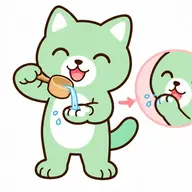

If ladles are provided, hold one in your right hand to rinse your left hand, then switch hands to rinse your right. Hold the ladle in your right hand again, pour a little water into your left palm to rinse your mouth, then rinse your left hand once more. Do not touch the ladle with your mouth or swallow the water. Follow local instructions if the basin is closed or uses a different system.
Etiquette at shrines and temples
 Keep your voice down. Do not interrupt worship or ceremonies.
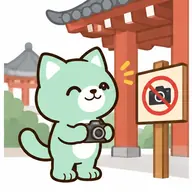 Check photography signs first. Some areas, especially interiors, prohibit photos. Ask before taking a close-up photograph of someone.
 Remove your shoes where instructed. You do not need to remove them everywhere.
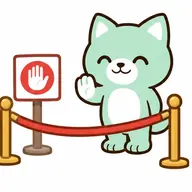 Stay within visitor areas. Do not cross barriers or touch statues and sacred objects without permission.
 Understand the different payments. Saisen is a voluntary offering; an admission fee may be required to see a garden or building.
Common questions
Can foreign visitors enter?
In general, international visitors can enter areas open to visitors. Some areas are private or require a reservation. Check the official website and on-site signs.
Must an offering be a 5-yen coin?
No. There is no fixed amount for a voluntary offering. It is separate from any required admission or service fee.
Can I find goshuin, charms and fortunes at both?
They are available at many shrines and temples, but not everywhere. Goshuin is a seal or calligraphic record of a visit and worship. Check reception hours, fees and local rules.
Is hatsumode only for shrines?
No. Hatsumode, the first shrine or temple visit of the new year, takes place at both.
Useful Japanese phrases
May I take a photo?
Should I take off my shoes?
May I just look around?