

CHINA · FOOD & CULTURE
Getting to Know Chinese Cuisine
Rice, noodles, dumplings, and fragrant tea. Let's take a look at familiar dishes from the vast world of Chinese cuisine through photos.
See classic dishes →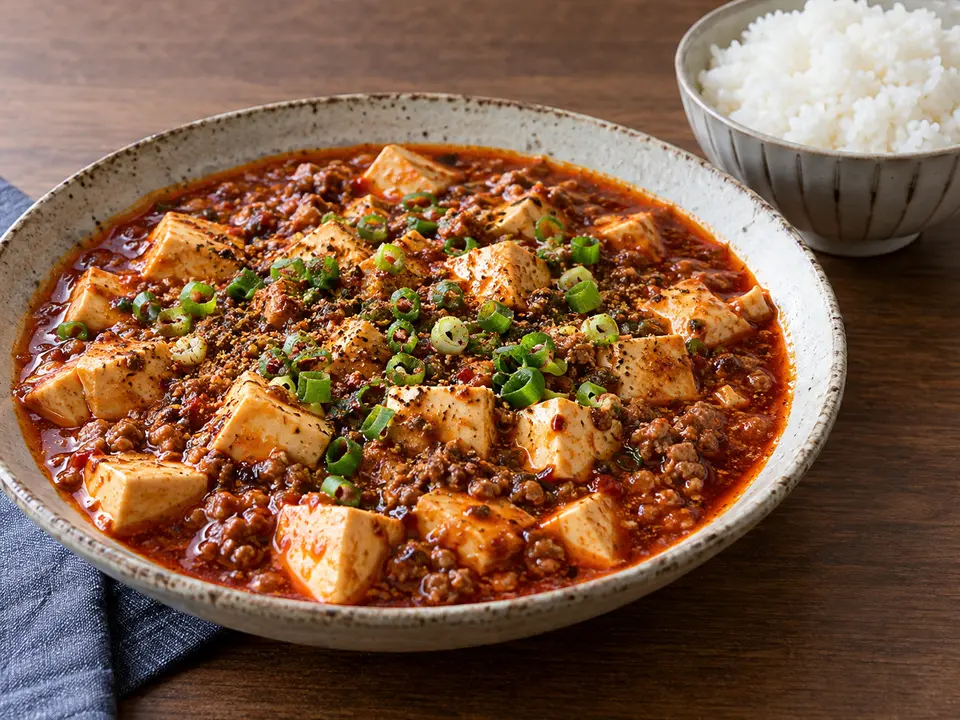
Classic Dishes and Staples
Rice, noodles, and home-style cooking. Choose what you want to eat from the photos.
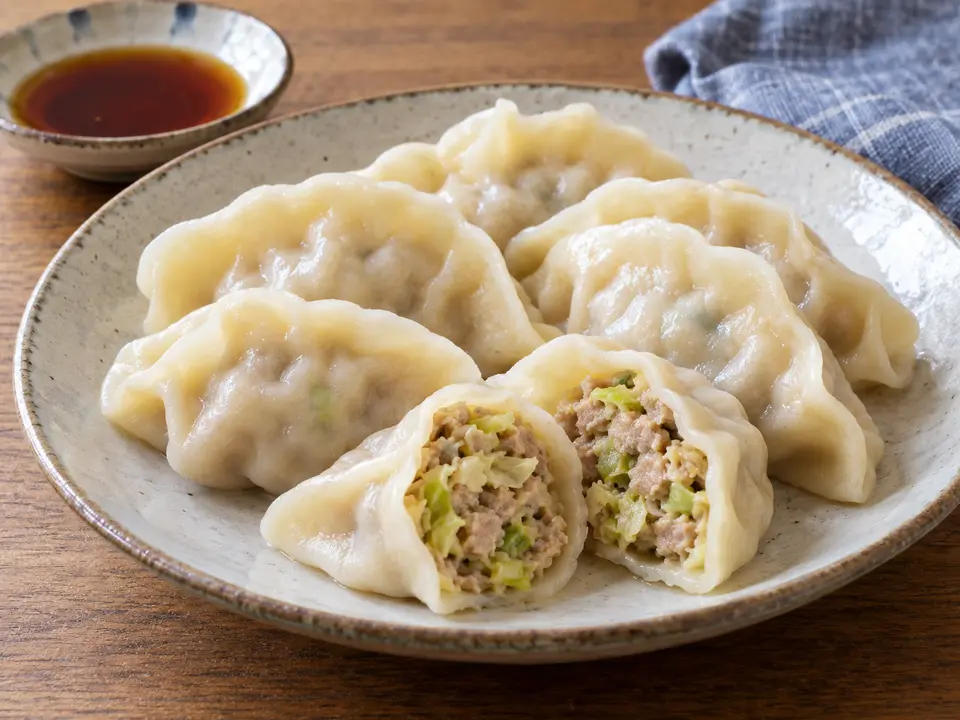
Boiled Dumplings (Shui Jiao)
A dish where meat or vegetables are wrapped in wheat dough skins and boiled. The photo contains pork and Chinese cabbage. Use vinegar or other dipping sauces to your preference.
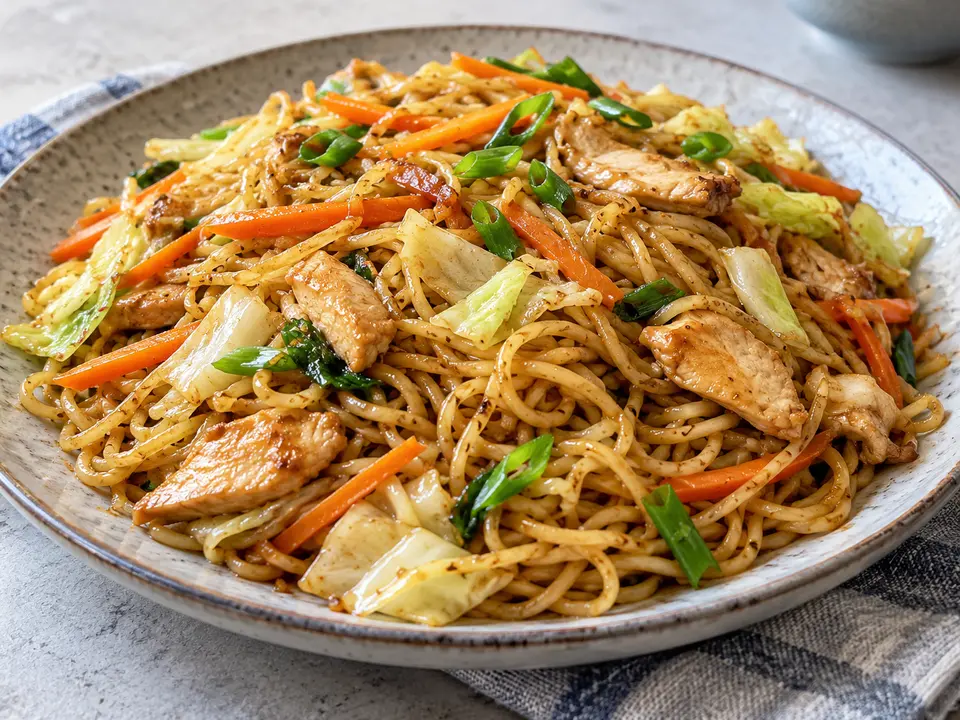
Stir-fried Noodles
A dish of noodles stir-fried with meat and vegetables. The photo contains chicken. Noodle thickness, ingredients, and seasoning vary by region and restaurant.
Tips on Ingredients and Aromas
Let's look at commonly used ingredients and seasonings.
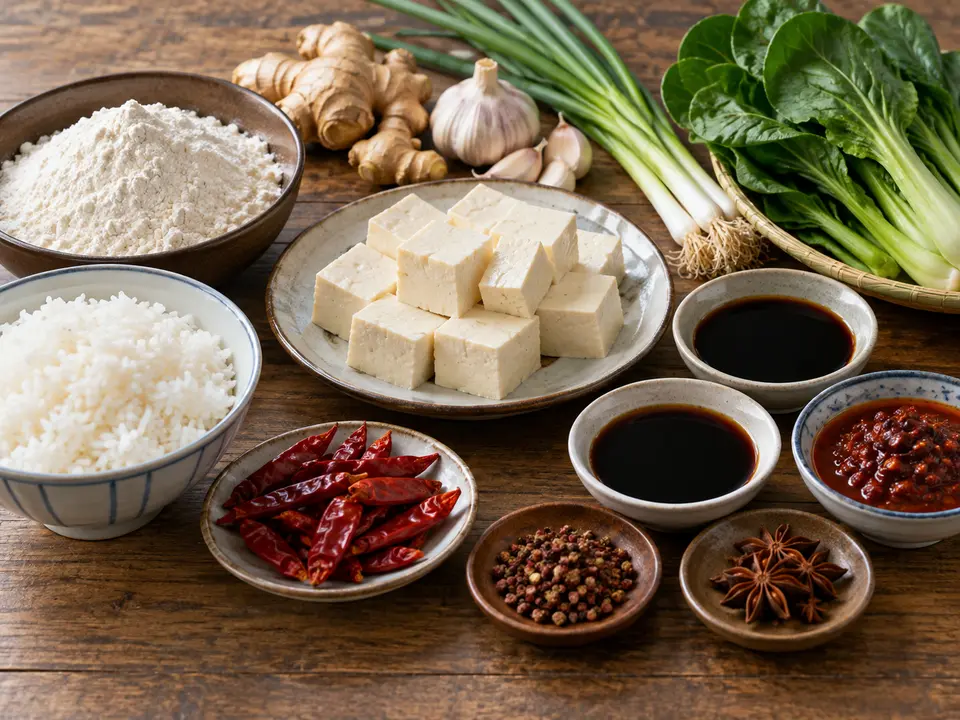
Ingredients, Spices, and Seasonings
Rice, wheat flour, tofu, ginger, garlic, green onions, leafy vegetables, etc. Soy sauce, vinegar, doubanjiang (chili bean paste), Sichuan peppercorns, and star anise are also used depending on the dish.
Snacks, Sweets, and Drinks
Familiar flavors that can be enjoyed between meals.
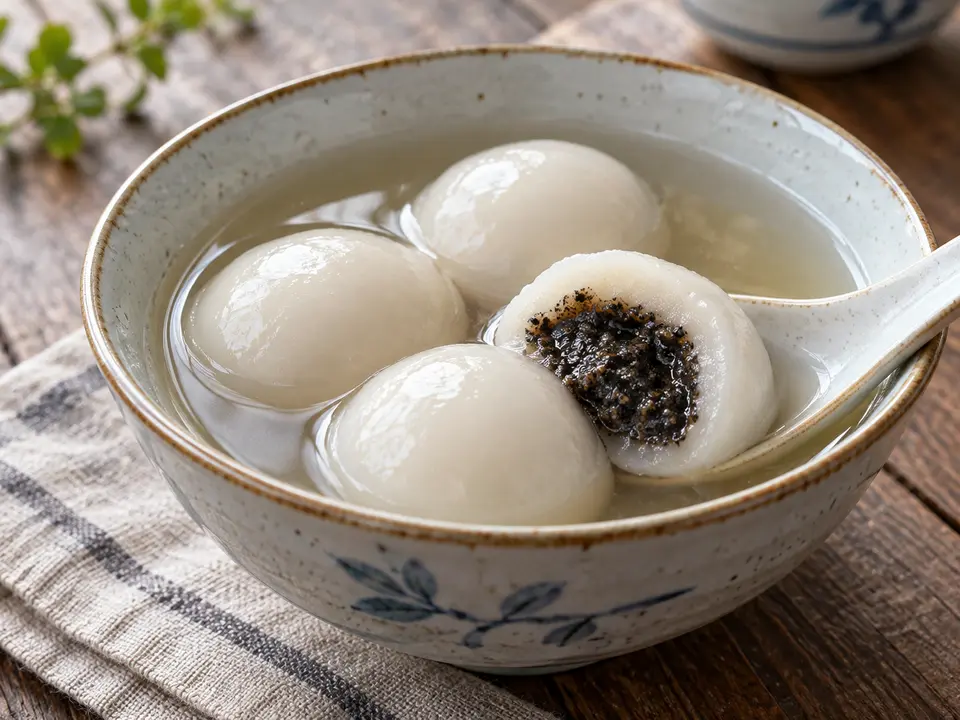
Tangyuan
Round dumplings made from glutinous rice flour. The photo shows sweet Tangyuan filled with black sesame. There are many varieties of fillings and soups.
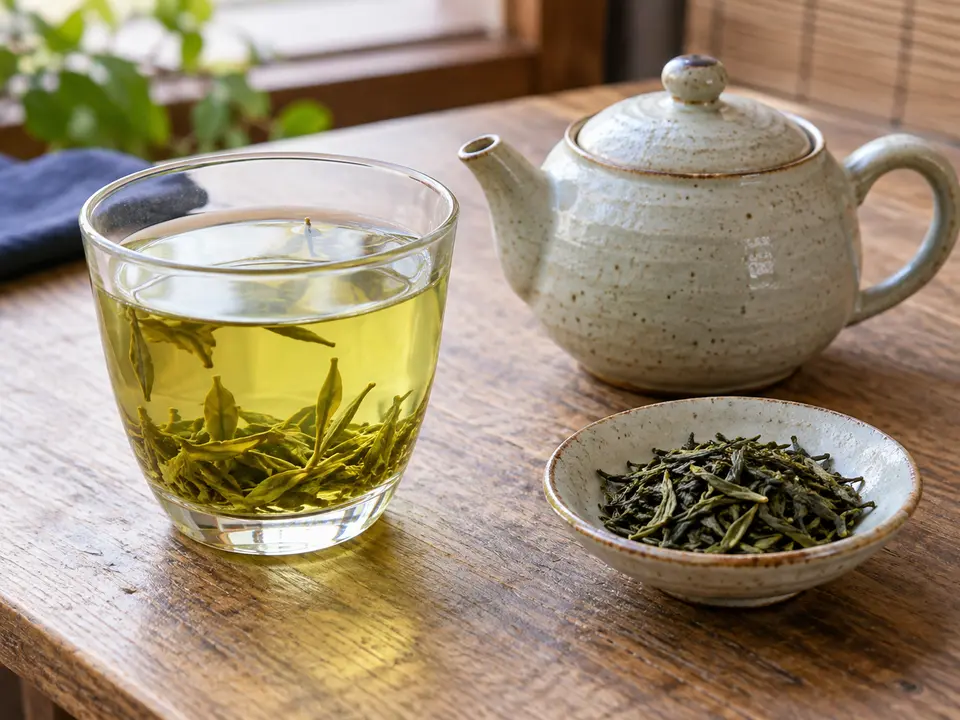
Chinese Tea
There are many types of tea, such as green tea, oolong tea, and black tea. The photo shows green tea. The aroma changes depending on the tea leaves and how it is brewed.
Choosing Your First Dish
Choose from photos
Rice, noodles, bread. Try choosing based on what you want to eat.
Ask about seasoning
If you are concerned about spiciness or acidity, feel free to ask at the restaurant.
Check the ingredients
If there are ingredients you do not eat, check before ordering.
🕒 Breakfast, Lunch, and Dinner
For breakfast, people may eat congee, steamed buns, meat buns, or soy milk. For lunch and dinner, they often have rice or noodles with side dishes.
There are also steamed buns called 'mantou', baozi (stuffed buns), fried rice, and soups. Meal content and times vary by family and lifestyle.
🥄 Dining Tips for First-Time Diners
Some meals involve using chopsticks or spoons and sharing multiple side dishes. Choose an amount that suits you.
If it's your first time, start with boiled dumplings or stir-fried noodles. For Mapo Tofu, ask the restaurant about the spiciness and the aroma of the Sichuan peppercorns.
🗺️ Regional & Cultural Differences
Ingredients and seasonings vary by region, such as Sichuan, Guangdong, and Jiangnan. The use of rice, wheat, seafood, and meat also varies.
Cuisine also changes based on ethnicity, religion, family, and generation. Do not assume that 'all Chinese food is spicy'—enjoy the variety of flavors.
🥬 About Meat, Fish, and Vegetables
Pork, beef, chicken, seafood, vegetables, and tofu are used. Even in vegetable or tofu dishes, meat or meat-based broth may be included.
Check with the restaurant before ordering if there are ingredients you do not eat.
Finding Chinese Cuisine in Japan
Try searching by combining 'Chinese cuisine' or the name of a dish with your local area. Looking at menu photos or asking the restaurant about ingredients makes it easier to choose.
View Chinese restaurants