

MONGOLIA · FOOD & CULTURE
Discover Mongolian Cuisine
Meat-filled wrapped dishes, handmade noodles, and milk tea. Explore a selection of Mongolian meals through photos.
View Classic Dishes →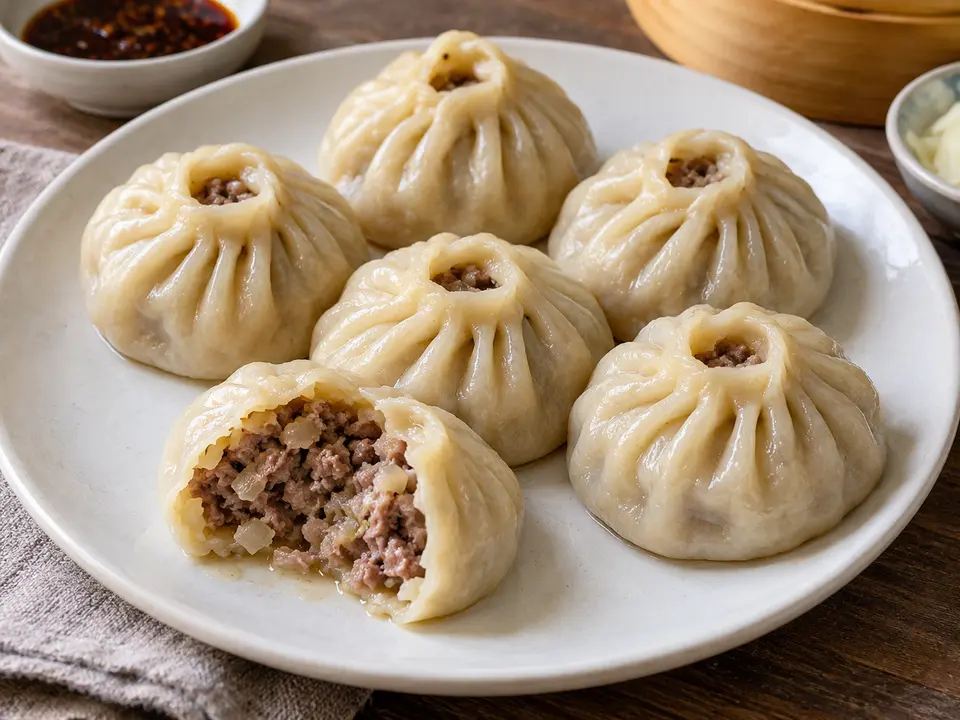
Classic Dishes & Staple Foods
Rice, noodles, and home-style cooking. Find what you want to eat from the photos.
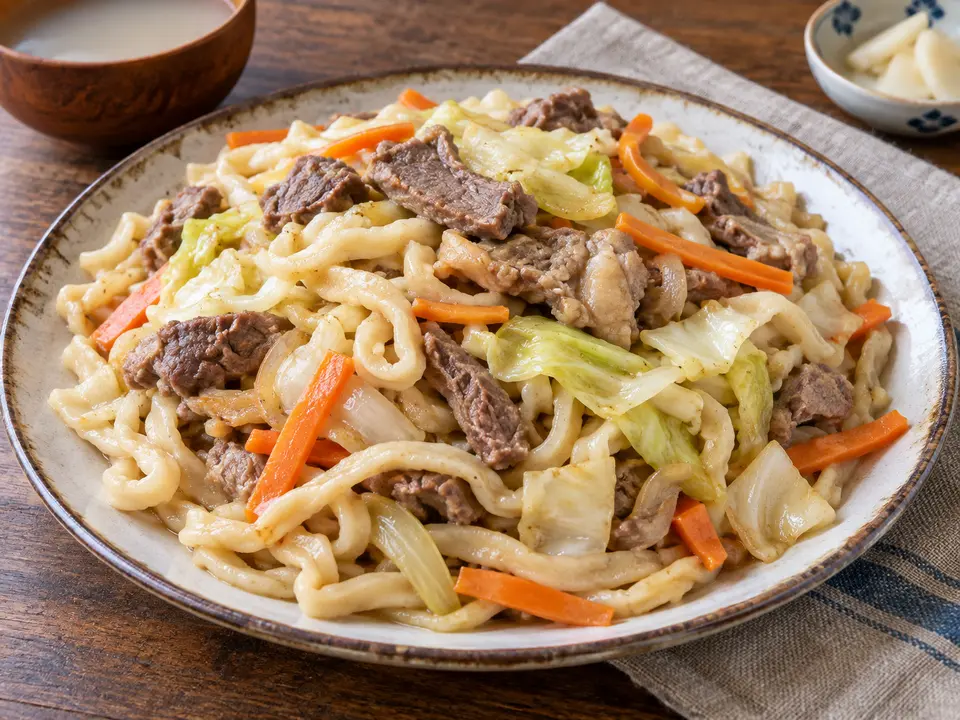
Tsuivan
A dish made by combining wheat noodles with meat and vegetables, often by steaming. The photo includes mutton, cabbage, and carrots. Ingredients vary by household.
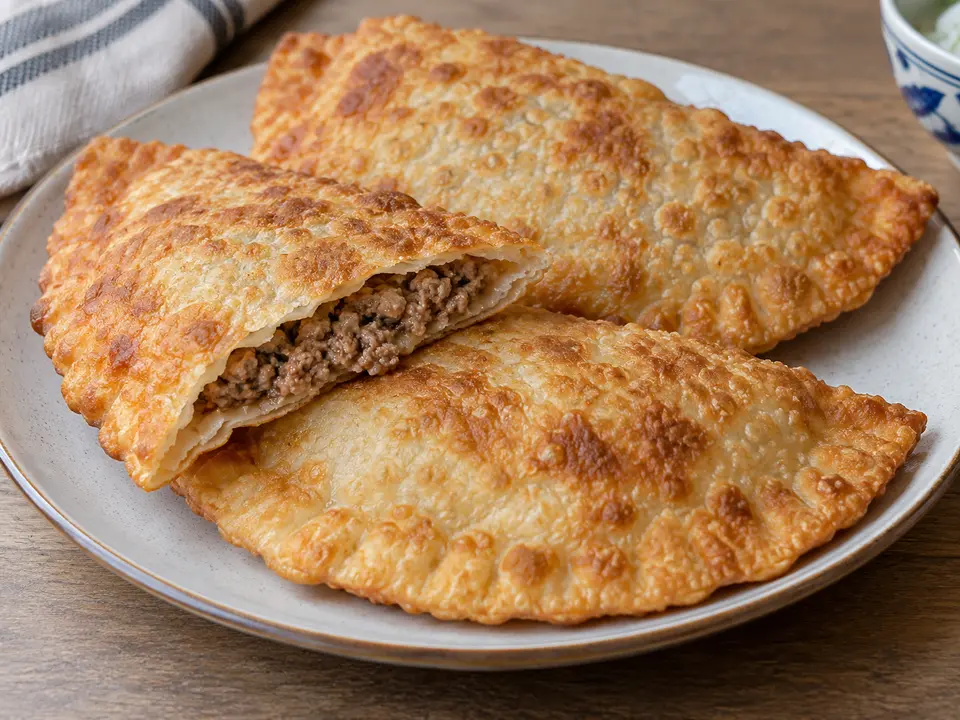
Khuushuur
A dish where meat and other ingredients are wrapped in a dough wrapper, flattened, and deep-fried. The cooking method and shape differ from buuz. The pastries in the photo are cut open to show the filling.
Ingredients and Flavor Tips
Take a look at commonly used ingredients and seasonings.
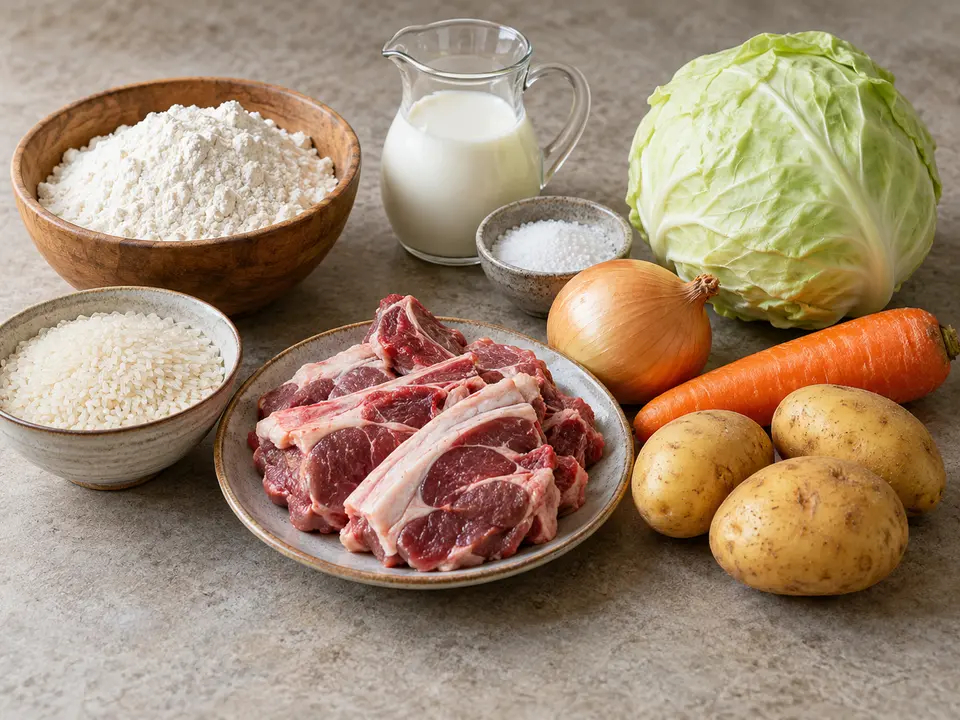
Ingredients & Seasonings
Wheat flour, meat, milk, and more. Onions, carrots, cabbage, potatoes, and rice are also used in some dishes. They are seasoned with salt, and the use of spices varies by dish.
Snacks, Sweets, & Drinks
Familiar flavors to enjoy between meals.

Bortsog and Dairy Products
Bortsog are deep-fried wheat dough pieces. The white items in the photo are aaruul, a type of dried dairy product made from milk. Sweetness and texture vary.
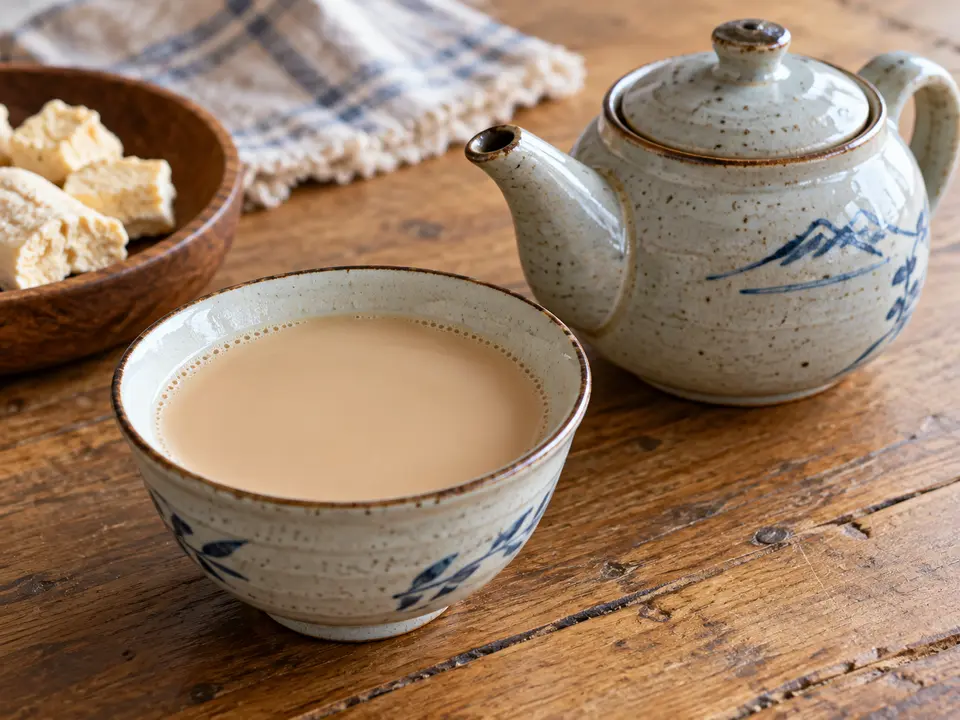
Suutei Tsai
A drink combining tea with milk and salt. Some versions also include grains. The type of milk and amount of salt vary by household and region.
Choosing Your First Dish
Choose from Photos
Rice, noodles, bread. Try choosing based on what you feel like eating.
Ask About Flavors
If you are concerned about spiciness or sourness, feel free to ask at the restaurant.
Check the Ingredients
If there are any ingredients you do not eat, check with the staff before ordering.
🕒 Breakfast, Lunch, and Dinner
People often have tea with bread or dairy products in the morning, and meat, noodle, or rice dishes for lunch and dinner. The timing and content vary depending on the household and lifestyle.
🥄 Dining Tips for First-Time Diners
Use utensils according to the dish and restaurant, such as hands or forks for wrapped foods, and spoons for dishes with broth.
If it is your first time, start with buuz or tsuivan. You can check about the aroma of mutton, dairy products, or any ingredients you prefer to avoid at the restaurant.
🗺️ Regional & Cultural Differences
The food culture revolves around livestock meat and dairy products. Dishes and ingredients also vary between urban and rural areas, as well as by season and region.
There are also differences based on ethnicity, religion, family, and generation. Enjoy the cuisine without defining the entire country solely by its meat dishes.
🥬 Meat, Fish, Vegetables, and Rice Dishes
Some dishes use mutton, beef, or other meats. Dishes using vegetables and fish are also available, varying by restaurant and household.
There are also meat and vegetable soups, noodle soups, and rice dishes. You can also enjoy dairy products like yogurt and sweet treats.
Finding Mongolian Cuisine in Japan
Try searching by combining "Mongolian cuisine" or the name of a dish with your local region name. Looking at menu photos or asking the restaurant about ingredients makes it easier to choose.
Restaurant listings for this cuisine will appear here when they are added to HAPI-JOB Gourmet.