

PHILIPPINES · FOOD & CULTURE
Discover Filipino Cuisine
Rice, stews, and sour soups. Explore Filipino meals through photos of dishes and ingredients.
View Classic Dishes →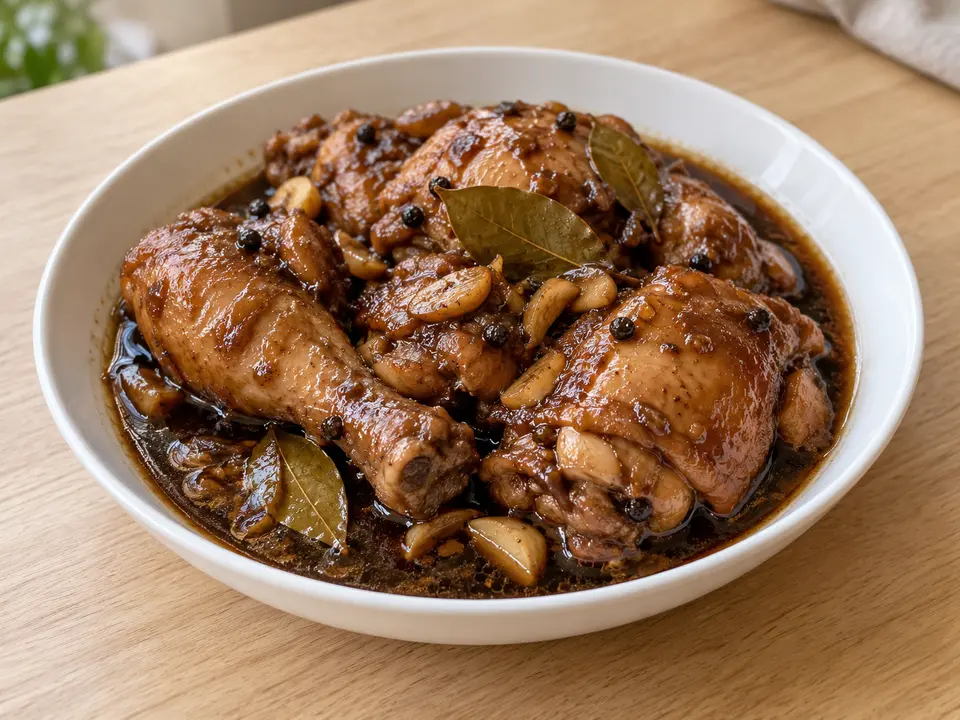
Classic Dishes and Staple Foods
Rice, noodles, and home-cooked meals. Choose what you want to eat from the photos.
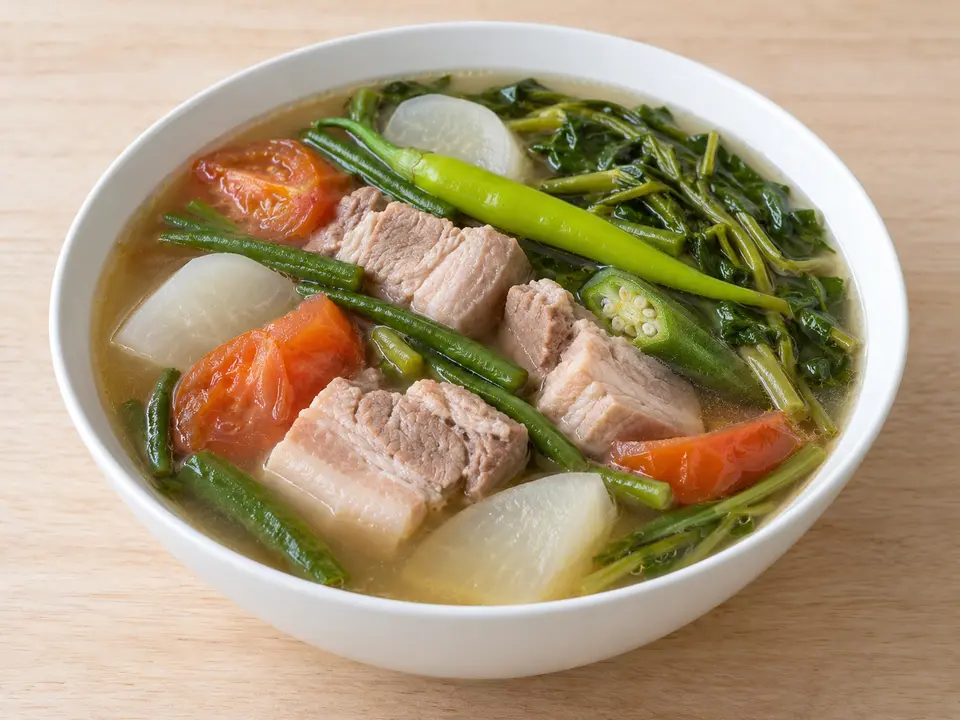
Sinigang
A soup given a sour flavor with tamarind or other ingredients. The photo shows pork and vegetables. Fish or shrimp are also used in some versions.
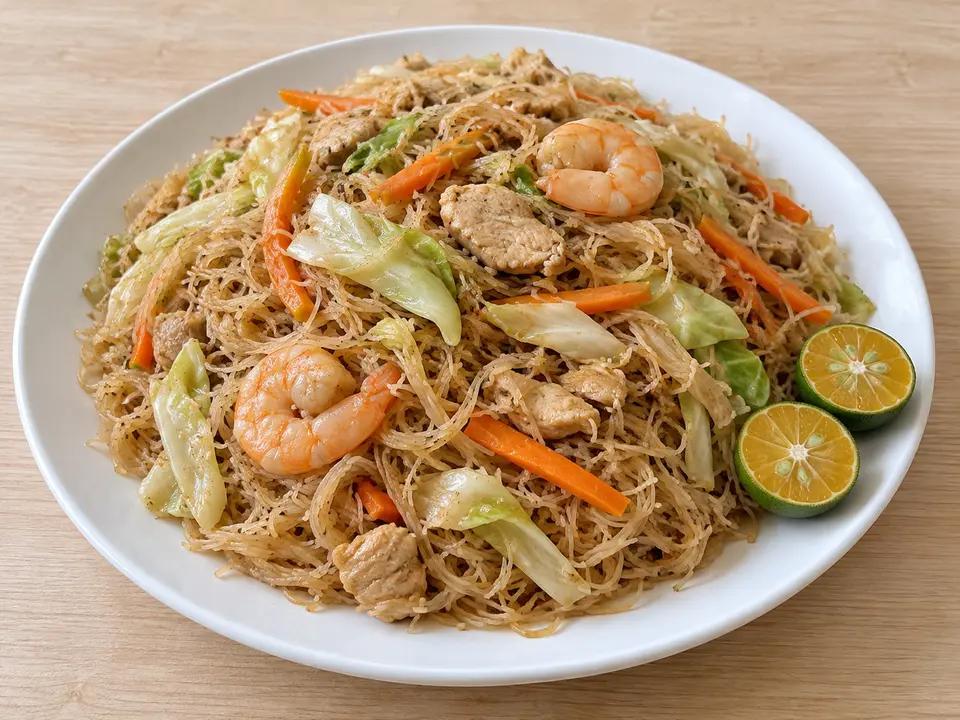
Pancit
A dish of noodles stir-fried with meat, vegetables, and other ingredients. The photo shows bihon, which uses thin rice noodles. There are various types of noodles and ingredients.
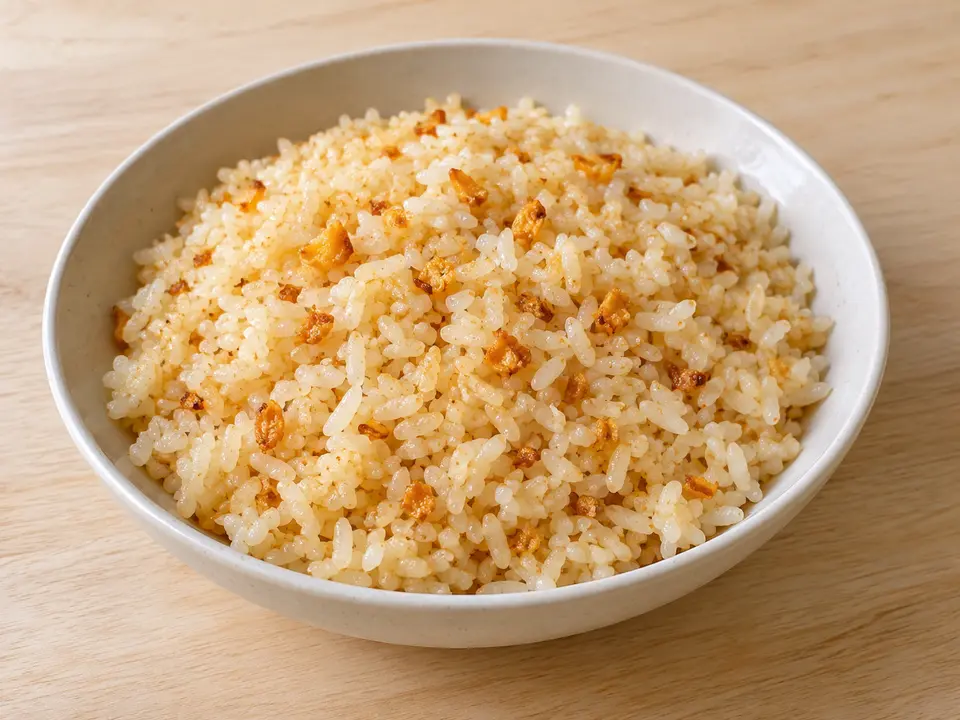
Rice & Sinangag
Meals pairing rice with side dishes are very common. The photo shows "sinangag," a garlic-infused fried rice.
Ingredients and Aroma Hints
Take a look at commonly used ingredients and seasonings.
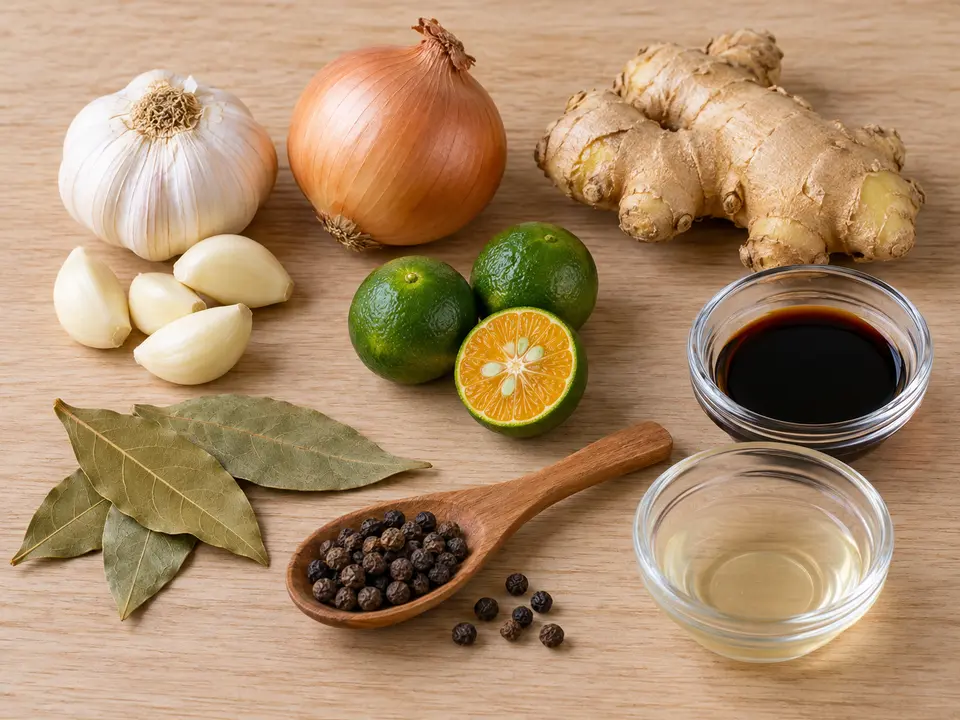
Ingredients, Spices, and Seasonings
Garlic, onions, ginger, pepper, and bay leaves. Vinegar, soy sauce, and calamansi are also used. The photo is just an example.
Snacks, Sweets, and Drinks
Familiar flavors to enjoy between meals.
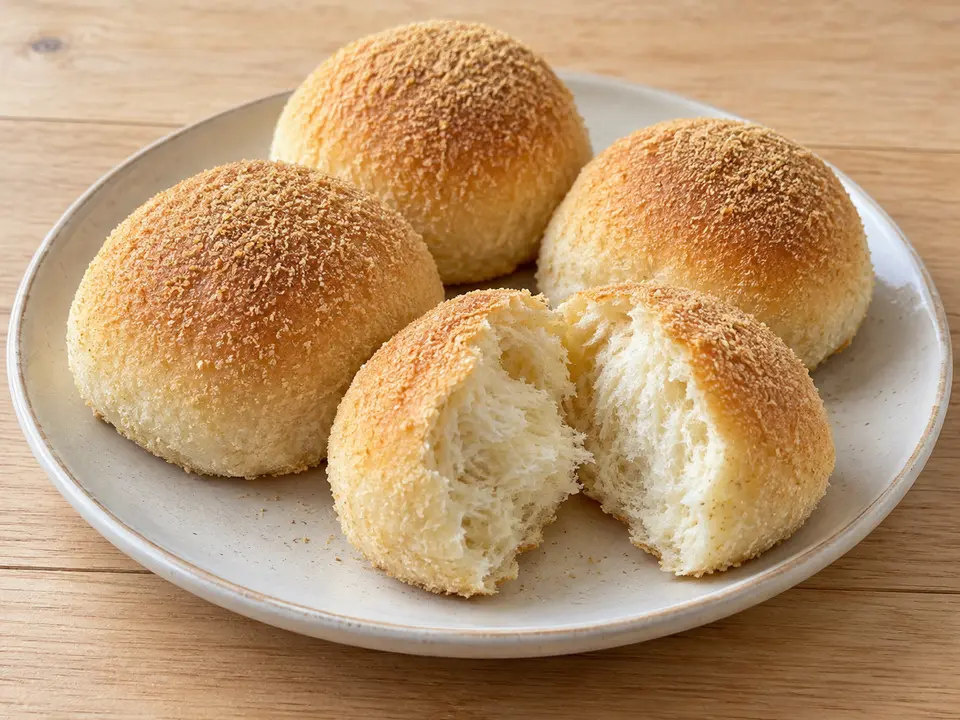
Pandesal
Small, soft bread. Eaten for breakfast or as a snack. Sometimes paired with drinks or preferred fillings.
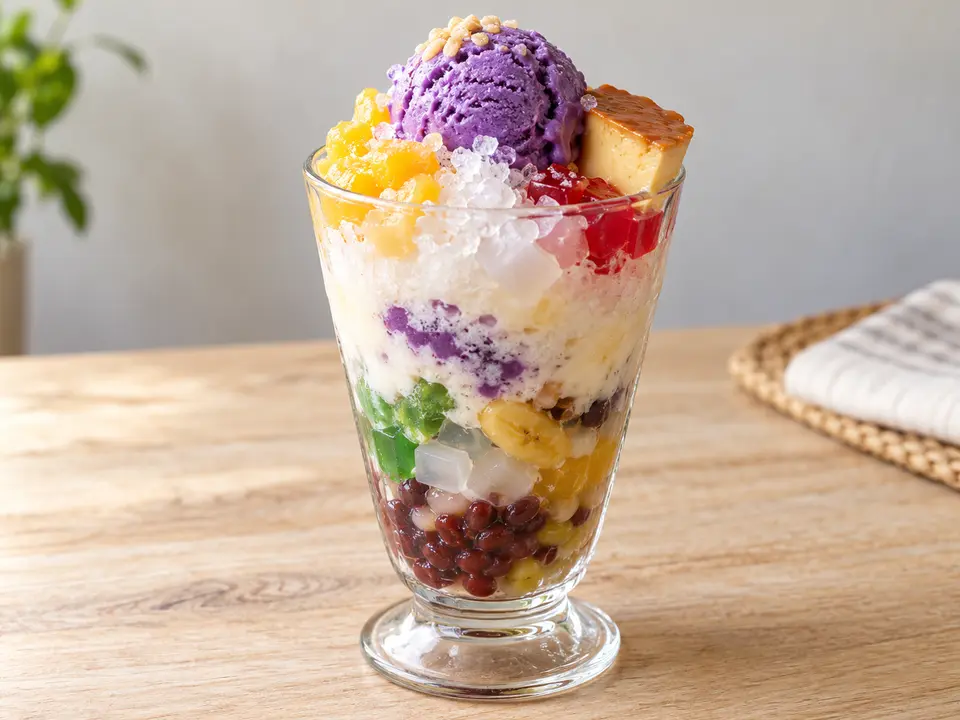
Halo-Halo
A dessert combining shaved ice, milk, sweet beans, fruits, and more. Some versions are topped with ice cream or flan. The contents vary by establishment.
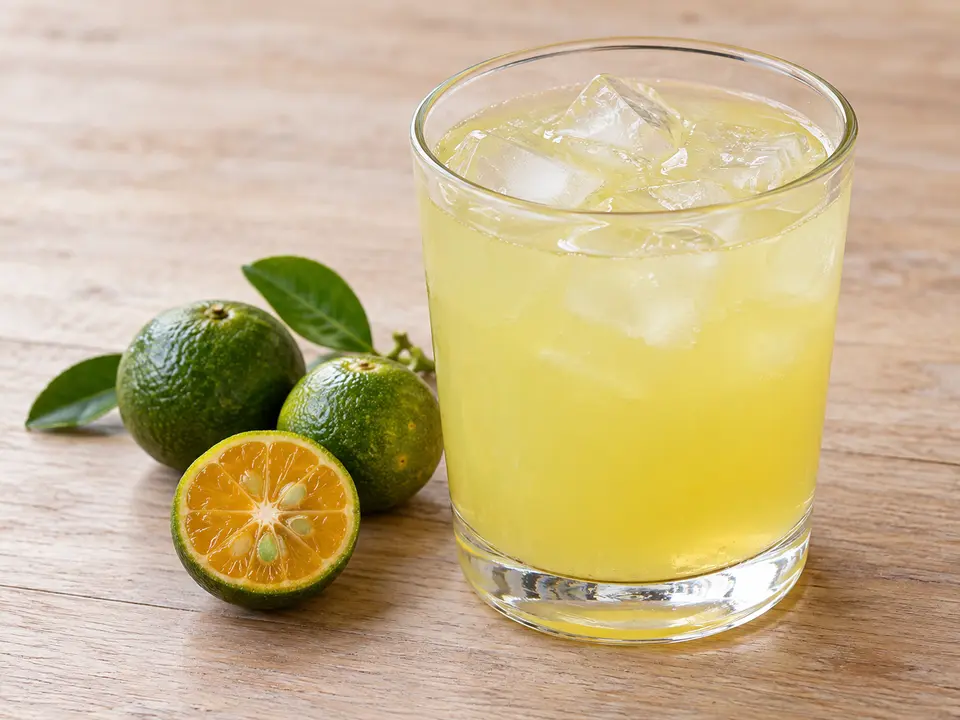
Calamansi Juice
A drink made using the small citrus fruit "calamansi." It has a refreshing sourness. Sweetness and concentration vary by establishment.
Choosing Your First Dish
Choose by Photo
Rice, noodles, and bread. Try choosing based on what you want to eat.
Ask About Seasoning
If you are concerned about spiciness or sourness, feel free to ask at the restaurant.
Check the Ingredients
If there are any ingredients you do not eat, check before ordering.
🕒 Breakfast, Lunch, and Dinner
Breakfast may consist of pandesal or meals combining rice, eggs, and meat. Lunch and dinner combine rice, soup, and side dishes.
Meal times and contents vary depending on the household and lifestyle. Light snacks are sometimes eaten in between.
🥄 Dining Tips for First-Time Diners
Eating with a spoon and fork is commonly seen. Some meals are eaten by hand, which varies depending on the situation and household.
If you are a beginner, try starting with adobo, rice, pancit, and similar dishes. You can check the sourness of sinigang and the spiciness of dishes at the restaurant.
🗺️ Regional and Cultural Differences
Depending on the island or region, there are differences in fish dishes, meat dishes, and dishes using coconut. Interactions with other countries also influence the food culture.
Even for dishes with the same name, ingredients and preparation methods change depending on the region, ethnicity, religion, household, and generation. Enjoy it without locking it into a single way of eating.
🥬 About Meat, Fish, and Vegetables
There are dishes that use chicken, pork, fish, shrimp, vegetables, and more. Fish sauce or shrimp paste may also be included as hidden ingredients.
If there are any ingredients you do not eat, please check before ordering. Sweets may contain dairy, eggs, or similar items.
Finding Filipino Cuisine in Japan
Try searching by combining "Filipino cuisine" or the name of a dish with your local area name. Looking at menu photos or asking the restaurant about ingredients makes it easier to choose.
View Filipino Restaurants